
Master My Emotions: Mini-Course
Stop the Spiral. Understand your Reaction. Respond with Intention.
A mini-course, easily accessible on Youtube, offering research-backed strategies to better understand & manage your emotions; helping you respond in a way you’re proud of and deepen the connections in your life.
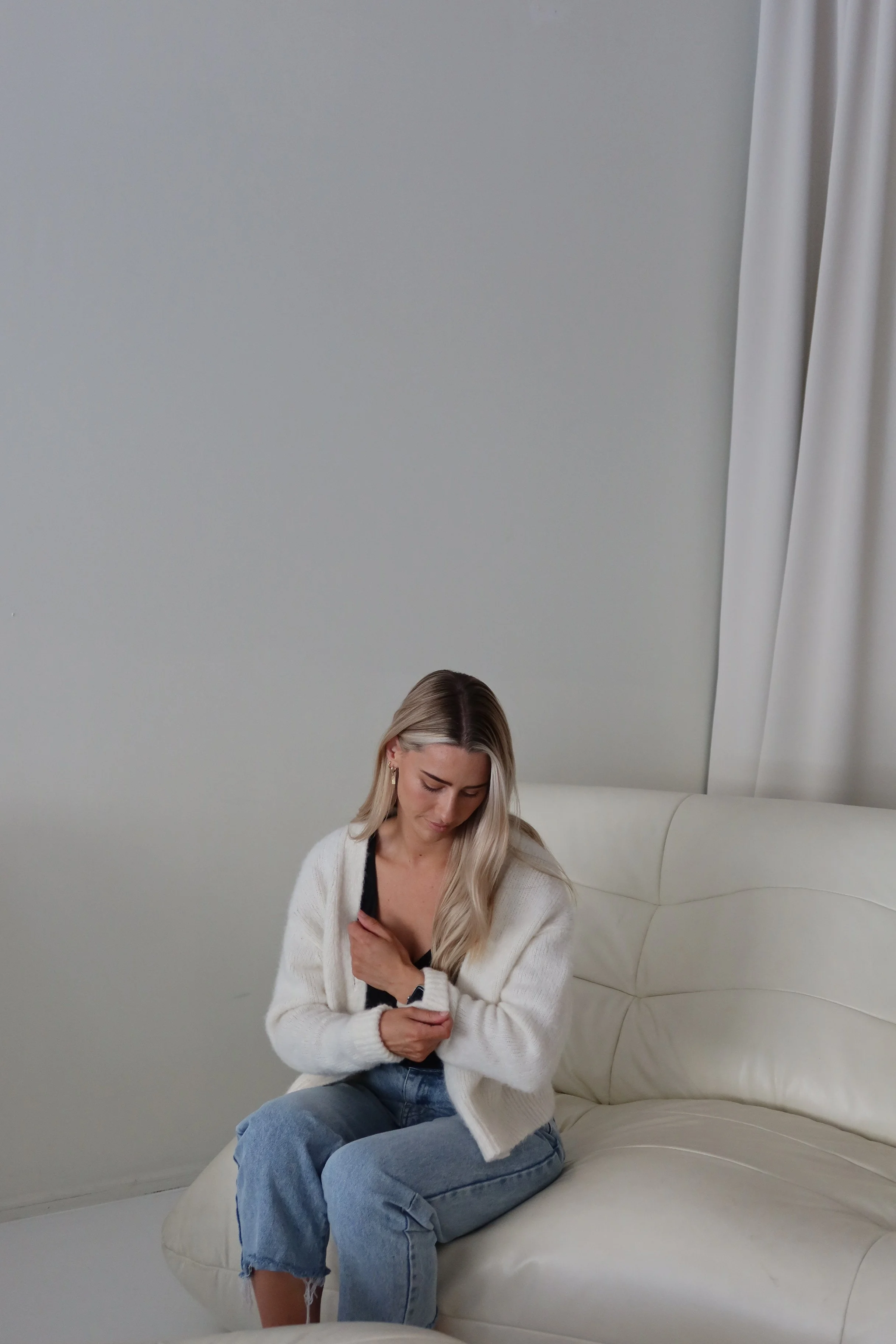
You know the feeling.
Guilt after another argument that escalated to a point you never intended. Frustration when your mind goes blank and you know you should speak, but the words don’t come. The 11pm spiral, exhausting yourself overthinking everything that was said.
Afterwards, you apologise, explain & repair, promising it won't happen again… until it does.
If this sounds familiar, you’re not alone.
Most of us were never taught how emotions actually work, only told to “calm down” or “let it go,” without being shown how.
So, it can end up looking like:
an argument with your partner escalating until you both say things you regret
replaying conversations in your head wondering if you said the wrong thing
shutting down during difficult conversations
reacting strongly in the moment and wishing afterwards you’d handled it differently.
Often we end up doing the repair work afterwards, instead of knowing how to improve the moment while it’s happening.
Which Pattern are You?
The Fighter
You get so worked up and go from 0-100, lashing out and saying things you don’t mean. You become angry to try & push the person away, because you don’t know a better way to get out of the situation. But you always regret it later and feel even worse about yourself as a result.
The Freezer
You go blank. No matter how hard you try to say something, you can’t get any words to come out. You know you should say something to reassure the other person, to make this moment better, but you retreat, shut down, and withdraw.
The People Pleaser
You say yes, as always. You shove your needs so far down you don’t even know what they are anymore. As long as the people around you are happy, you are happy. Right?

Hi, I’m Mik
I’m an accredited counsellor with the Australian Counselling Association, also completing my Master of Clinical Psychology while working toward full registration as a psych this year. I work with women navigating the messy middle bits of life - relationships, dating, self-worth, and everything in between.
Over the years, one thing I’ve heard again and again from clients is:
"I want skills I can actually use, not just talking about it"
That’s exactly why I created this course.
Master My Emotions was designed to share practical tools that are commonly used to support emotional regulation.
Inside the course we look at:
what emotions actually are
how your stress response works
why certain situations can trigger strong reactions
and strategies you can practise in everyday life.
When you understand what’s happening in your brain and body, those overwhelming moments can start to make more sense.
The goal isn’t to fix your emotions.
It’s to help you recognise what’s happening so you can respond with more awareness and intention.
Course Details

This course is your guide to understanding and managing your emotions, for real this time. Through eight modules, you’ll learn why you react the way you do, how to stay calm under pressure, and practical tools to help you handle life's chaos with confidence.
What we cover inside the course
The course is broken down into simple modules that build on each other.
Each one helps you understand your emotional responses and explore practical strategies you can apply in everyday situations.
-
We start by setting the tone for the course and getting clear on how to approach the material so you can apply what you learn in everyday life.
-
Before managing emotions, it helps to understand them. In this module you’ll learn what emotions are, how your stress response works, and how to start recognising your reactions under pressure.
-
Have you ever gone blank mid-argument or suddenly said something you later regret?
This module explores what happens in your brain when you're triggered and why communication can become harder in those moments. -
This concept helps explain why we spiral, shut down, or feel overwhelmed under stress. You’ll learn how to recognise when this is happening and explore ways to bring yourself back to a more regulated state.
-
Understanding emotions both yours and other people’s is an important skill for navigating relationships. This module focuses on building emotional literacy so you can better identify what you're feeling and respond more thoughtfully.
-
Strong emotional reactions often connect to underlying needs. This module explores what might sit underneath those reactions and how you might begin responding to those moments differently.
-
When emotions feel intense, the goal isn’t to eliminate them. This module introduces strategies that may help calm your nervous system and support you through overwhelming moments.
-
The final module brings everything together. You’ll learn strategies that may help you navigate moments like:
staying calmer during an argument
managing spiralling thoughts when someone doesn’t text back
recovering after a stressful conversation
responding more intentionally when emotions run high.
Many people find these skills become easier with practice and repetition over time.
This course may be helpful if you:
find yourself overthinking conversations afterwards
feel like emotions sometimes take over in stressful situations
want practical strategies you can practise in everyday life
are curious about understanding your emotional patterns more deeply.
A quick note
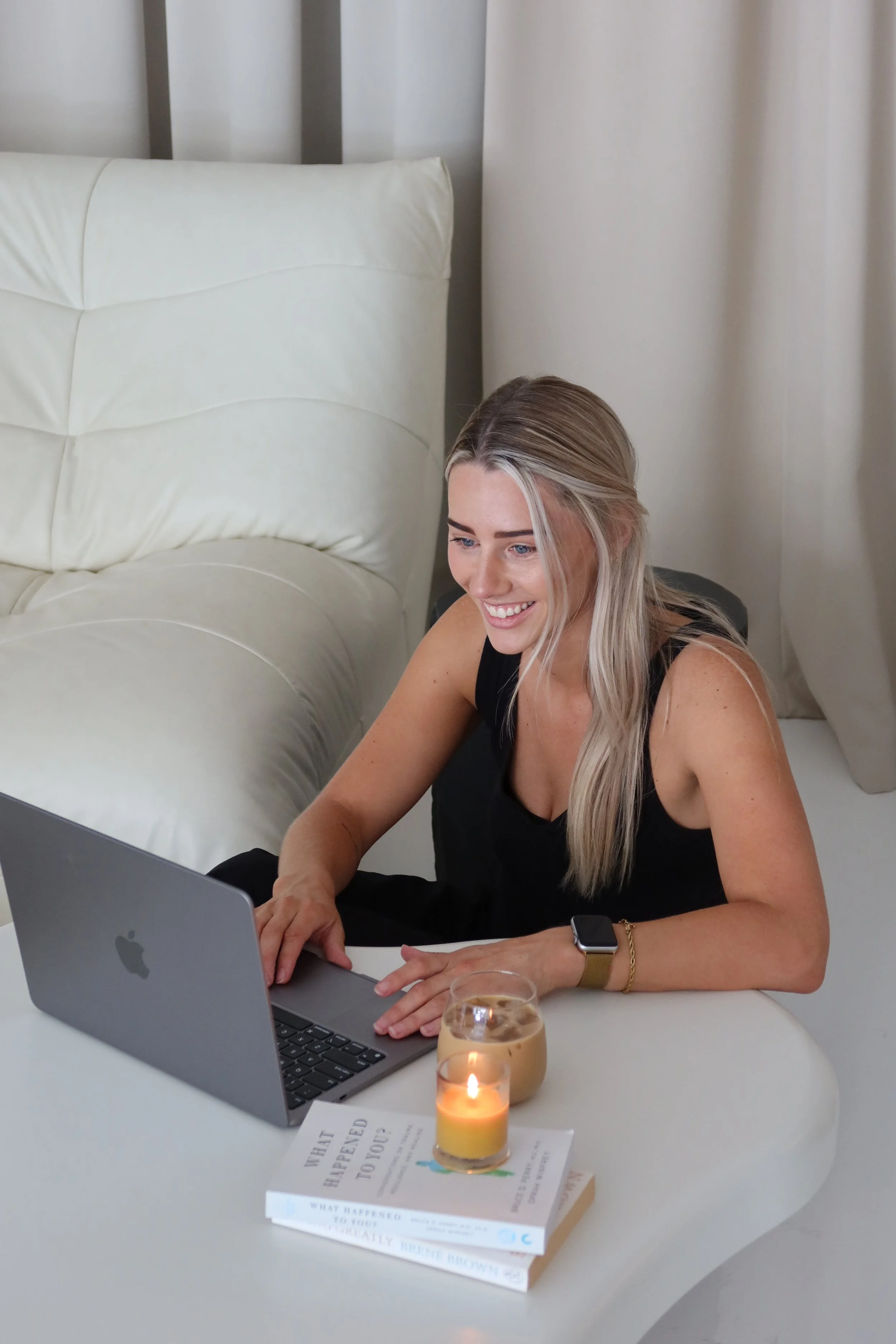
This course shares information and skills commonly used in therapy; it draws upon Cognitive Behavioural Therapy (CBT), Schema Therapy and Dialectical Behavioural Therapy (DBT), offering you access to skills that can take months to teach in sessions.
It is designed as general education and skill-building, not a replacement for individual therapy or psychological care.
Many people choose to use the course alongside therapy or as a starting point for understanding their emotional patterns.
Disclaimer
This course provides general information and education about emotional regulation skills only. It is not intended to replace individual therapeutic support.
If you are experiencing significant mental health concerns, please consider seeking support from a qualified health professional.